The Man Who Ran Out of Places to Hide
How a midnight wrestling match reveals the path to becoming who God always meant you to be
The Man Who Ran Out of Places to Hide
Genesis 32 finds Jacob in a crisis of his own making. Twenty years earlier, he had deceived his father Isaac, stolen his brother Esau’s blessing, and fled for his life. Now, returning home with wives, children, and vast wealth, he faced the reckoning he’d been running from for two decades. Esau was coming to meet him with four hundred men. The night before their reunion, Jacob sent everyone across the Jabbok River—his family, his servants, his possessions—and remained alone on the far side.
This wasn’t courage. This was terror. Jacob, whose name means “deceiver” or “heel-grabber,” had always been a schemer, a manipulator who relied on his wits to survive. But now his schemes had run their course. There was nowhere left to run, no clever plan to save him. In that vulnerable darkness, something remarkable happened.
Free Advent reading · December 1–25
25 Names of Christ
One name a day in your inbox: the verse it comes from, a short reflection, a one-line prayer. It ends on Christmas morning.
One email a day, December 1–25. Unsubscribe anytime.
The Mystery of the Midnight Wrestler
Who was this mysterious figure who wrestled with Jacob through the night? The text calls him “a man,” but as the encounter unfolds, it becomes clear this is no ordinary opponent. He touches Jacob’s hip and dislocates it with supernatural ease. Jacob himself recognizes he has “seen God face to face” (Genesis 32:30). The prophet Hosea later identifies the wrestler as an angel, yet also as the LORD Himself (Hosea 12:3-4). This is a theophany—a physical manifestation of God’s presence.
But here’s what stuns us: God doesn’t immediately overpower Jacob. He wrestles with him. All night long. Why would the Almighty engage in such a contest? Because God was doing something far more profound than simply defeating Jacob. He was transforming him. The wrestling wasn’t punishment—it was intimate engagement with a man who had spent his whole life grasping and striving and manipulating to get what he wanted.
The Hebrew word for “wrestled” used here is *ye’abeq*, which sounds like “Jabbok” (the river’s name) and also connects to *abaq* (dust). This wordplay suggests Jacob was literally wrestling in the dust, getting dirty in his struggle with God. The ancient rabbis noted that this same root word appears in the word for “embrace”—suggesting that sometimes God’s embrace feels like a wrestling match when we’re still clinging to our old identity.
The Touch That Changes Everything
Notice the progression: God wrestles with Jacob but doesn’t crush him. Then, with a single touch, He wounds him. The dislocation of Jacob’s hip wasn’t vindictive—it was surgical. God struck at the very source of Jacob’s strength and self-reliance. Jacob had always been quick on his feet, ready to run, scheme his way out of trouble. Now he would walk with a limp for the rest of his life.
And yet, even wounded, Jacob clings to his opponent and demands a blessing. This is the paradox of transformation: Jacob is simultaneously defeated and victorious, weakened and strengthened, wounded and blessed. He refuses to let go because he’s finally learned what matters most. He’s no longer grasping for what he can take; he’s clinging to the One who can give.
The Blessing Hidden in the Wound
God gives Jacob a new name: Israel, meaning “he struggles with God” or “God strives.” This isn’t just a name change—it’s an identity transformation. Jacob the deceiver becomes Israel the wrestler-with-God. His very name would now commemorate not his cleverness or his cunning, but his willingness to engage with God, even when that engagement left him limping.
Think about what God is saying here: your struggle with Me is not a disqualification. Your wrestling is not evidence of faithlessness. The fact that you won’t let go—even when I wound you, even when the blessing costs you something—this is what makes you Mine.
So often we think spiritual maturity means we stop struggling, stop questioning, stop wrestling with God over hard things. But Israel’s story tells us something different: Sometimes the struggle itself is the path to blessing. Sometimes God meets us most intimately not when we have it all together, but when we’re exhausted, wounded, and still refusing to let go.
Living With the Limp
Here’s the truth that transforms everything: Jacob walked away from that encounter blessed but broken, renamed but wounded. The sun rose on a man who would never walk the same way again. Every step for the rest of his life would be a reminder of the night he wrestled with God.
This is the pattern of authentic spiritual transformation. God doesn’t just add blessings to our unchanged lives. He wounds us in the places where we’ve relied on ourselves, and in those very wounds, He plants His blessing. The limp is not a punishment—it’s a testimony. It’s proof that we’ve encountered the Living God and been changed by Him.
The Wound You Can’t Hide
Jacob’s limp was visible. Everyone who saw him walk knew something had happened to him. Our encounters with God often leave us with wounds we can’t hide—losses we can’t explain away, weaknesses we can’t overcome through willpower. These become the places where God’s strength is most visible in us.
The Blessing You Won’t Release
Even wounded, Jacob clung to God and demanded blessing. This is holy desperation—the kind that says, “I’d rather have You and a limp than walk away whole without Your touch.” When we stop demanding our way and start demanding God Himself, everything changes.
The Identity You Can’t Earn
Jacob tried for decades to secure his own blessing through manipulation. In one night, God gave him what he could never earn: a new name, a new identity, and a direct encounter with divine presence. Our identity in Christ is never something we grasp—it’s always something we receive.
What Does Your Wrestling Look Like?
Maybe you’re in your own midnight at the Jabbok right now. Maybe God feels like an opponent instead of a Father. Maybe you’re wrestling with unanswered prayers, broken dreams, losses that make no sense, or a calling that terrifies you. Maybe you’re still trying to scheme your way to blessing instead of wrestling your way there.
Here’s what Jacob’s story tells us: God will meet you in that desperate place. He will wrestle with you—not to destroy you, but to transform you. He may wound you in the places where you’ve been too strong in yourself. And if you refuse to let go, if you cling to Him even in your exhaustion and demand His blessing, He will give you more than you asked for. He’ll give you a new identity, a new name, and the sunrise breaking over a landscape you thought would only ever be dark.
The Apostle Paul understood Jacob’s limp. He too carried a wound that wouldn’t heal, a weakness that became the very place where God’s power was most visible. This is the upside-down kingdom way: God’s strength perfected in our weakness, His blessing hidden in our wounds, His identity forged in our wrestling.
Walking Into the Sunrise
Jacob limped into the sunrise as Israel—wounded, blessed, transformed. He still had to face Esau. He still had to walk through the consequences of his past. But he walked as a different man, with a different name, marked by an encounter with the Living God.
You will carry your wrestling wounds too. The places where God has touched you, broken your self-reliance, and given you a new identity—these will mark you for life. But like Jacob’s limp, they will be testimonies, not tragedies. They will be the proof that you’ve met God and been changed by Him.
Don’t despise the wrestling. Don’t run from the struggle. And whatever you do, don’t let go until He blesses you. Because on the other side of the midnight wrestling match is a sunrise, a new name, and the unshakeable knowledge that you have seen God face to face and your life has been transformed.
Carry the Story With You
Let Jacob’s transformation remind you daily: God’s blessing often comes wrapped in struggle, and His strength is perfected in our weakness. Explore faith-inspired apparel and gifts that help you carry these eternal truths into your everyday life.
Shop NowFrom the shop
Scripture to wear and give, printed to order.
-
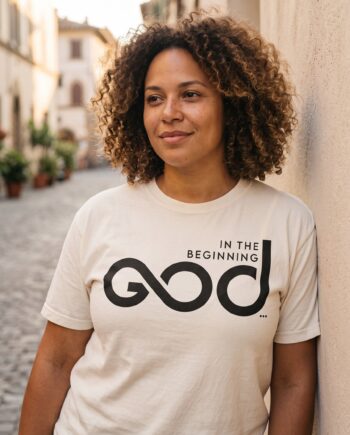
✝Genesis 1:1

Elohim | Genesis 1:1 Tee
Price range: $34.00 through $40.00 Select options This product has multiple variants. The options may be chosen on the product page -
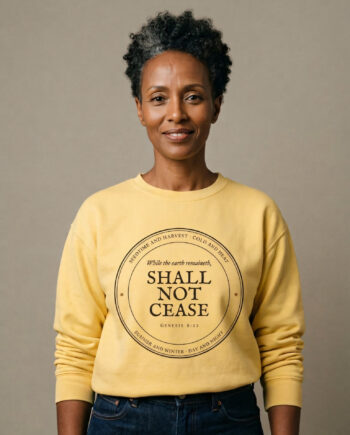
✝Genesis 8:22
Seedtime and Harvest Shall Not Cease | Genesis 8:22 Tee & Sweatshirt
Price range: $34.00 through $72.00 Select options This product has multiple variants. The options may be chosen on the product page -
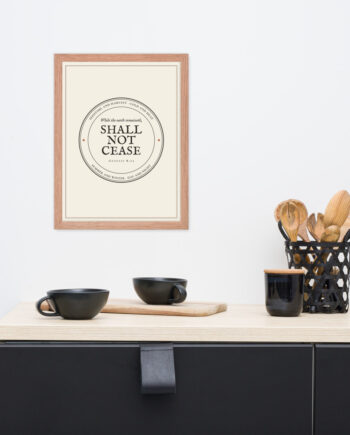
✝Genesis 8:22
Seedtime and Harvest Shall Not Cease | Genesis 8:22 Print
Price range: $29.00 through $99.00 Select options This product has multiple variants. The options may be chosen on the product page
Keep reading
- Youth Group Shirt Ideas: Christian Tees Teens Will Actually WearChristian Living
- Christian Gifts for Dad: 8 Faith-Based Gifts He Will UseChristian Living
- Who You Are in Christ: Your Identity, and the Shirts That Say It Out LoudChristian Living
- Bible Verse T-Shirts: How to Wear Scripture That Actually Means SomethingBible Study
- The Scene: A Delay That Felt Like AbandonmentFaith & Encouragement
- When God Calls Your Name Twice: The Breakthrough Moment of Samuel’s CallingBible Study
More in: Faith & Encouragement · All articles