The God Who Promised the Impossible
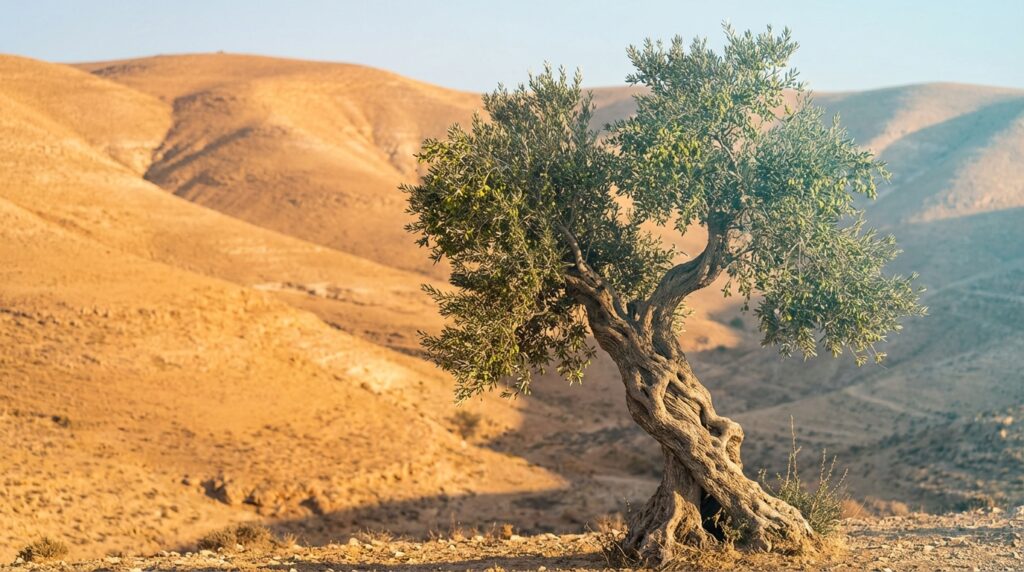
What Abraham’s twenty-five year wait teaches us about trusting God in the gap
The God Who Promised the Impossible
When God first spoke to Abram, the promise was staggering in its specificity and scope. Not just a blessing, not just provision, but nations. Descendants as countless as stars. A future that defied every biological reality of his present.
Here’s what makes this moment remarkable: Abram was seventy-five years old, and his wife Sarai was barren. The promise of descendants wasn’t just unlikely—it was biologically impossible. Yet Abram went. He believed. He packed up his entire life and walked into the unknown on the strength of words spoken by a God he was just beginning to know.
But the story doesn’t end in Genesis 12. The fulfillment doesn’t come in Genesis 13, or 14, or 15. Twenty-five years would pass between God’s promise and Isaac’s birth. Twenty-five years of waiting. Twenty-five years of watching his body age, his wife’s hope dim, and the promise seem to recede further into impossibility with every passing season.
Free Advent reading · December 1–25
25 Names of Christ
One name a day in your inbox: the verse it comes from, a short reflection, a one-line prayer. It ends on Christmas morning.
One email a day, December 1–25. Unsubscribe anytime.
The Silence That Tests Everything
Genesis doesn’t gloss over this wilderness. It records Abram’s questions, his doubts, his attempts to help God along. In Genesis 15, we find him asking the question that burns in every heart that’s waited too long:
This isn’t rebellion. This is raw honesty from a man who believed God but couldn’t reconcile the promise with the present. God responds not with rebuke but with reaffirmation—taking Abram outside and showing him the stars, renewing the covenant, assuring him that the promise stands.
The Hebrew word for “believed” in Genesis 15:6 is aman, the root of our word “Amen.” It means to be firm, to support, to be faithful. When Scripture says “Abram believed the Lord,” it’s not describing a one-time decision but an ongoing posture of trust despite contradictory circumstances. This same root appears when God calls Himself faithful—our faith mirrors His faithfulness.
But even after this encounter, the waiting continues. And in the waiting, Abram and Sarai make a decision that will haunt them: they devise their own plan. Sarai offers her servant Hagar to Abram, and Ishmael is born—a son, yes, but not the son of promise. It’s a heartbreaking moment that reveals what happens when the gap between promise and fulfillment stretches our faith beyond what we think we can bear.
When God’s Timing Defies Our Logic
Here’s the truth that confronts us in Abraham’s story: God’s delays are not denials, but they will take us to the end of ourselves. When Isaac is finally born, Abraham is one hundred years old and Sarah is ninety. The promise is fulfilled at the point where human effort is utterly exhausted, where no one can claim credit except God Himself.
Notice that phrase: “at the very time God had promised him.” Not early. Not late. Precisely when God said—which felt impossibly late from Abraham’s perspective but was perfectly timed from heaven’s view. God wasn’t silent because He forgot. He wasn’t absent because He stopped caring. He was working in the unseen, preparing not just a child but a father whose faith had been refined through waiting, whose story would become a testimony for generations.
The wilderness between promise and fulfillment isn’t wasted time. It’s where faith becomes real. It’s where we learn that God’s character doesn’t depend on our circumstances, that His word stands even when everything visible contradicts it, that His timing serves purposes we can’t see from where we stand.
Living in the Gap
If you’re in your own wilderness right now—if you’re holding a promise that feels more distant than ever—Abraham’s story offers not steps to follow but truths to anchor in.
God’s Promises Don’t Expire
Time doesn’t diminish what God has spoken. Your age, your circumstances, your past failures—none of these cancel His word. What He has promised, He will perform, regardless of how impossible it appears.
Honest Questions Don’t Disqualify You
Abraham asked hard questions. He expressed doubt. He made mistakes. Yet he’s called the father of faith. God invites your honesty—He’s not afraid of your questions or threatened by your struggle to understand.
The Waiting Refines What God Wants to Build
The twenty-five year gap wasn’t punishment; it was preparation. God was building not just a family but a nation, not just answering a prayer but establishing a covenant that would bless all peoples on earth.
The wilderness feels like absence, but it’s actually where presence is most profoundly learned. It’s where we discover that God Himself is the promise, not just the giver of promises. That knowing Him in the waiting is the real gift, even when the waiting hurts.
Paul’s reflection on Abraham’s faith reveals the secret: Abraham faced the facts—the impossibility was real—but he didn’t let the facts determine his faith. He was “fully persuaded that God had power to do what he had promised.” That persuasion didn’t come overnight. It was forged through years of choosing to believe when belief seemed foolish.
Your wilderness may last longer than you want. The silence may feel heavier than you can bear. But if God has spoken, His word stands. The gap between promise and fulfillment is where faith learns to walk by trust rather than sight, where hope becomes unshakeable because it’s rooted not in circumstances but in the character of the One who cannot lie.
Walk in Faith, Wear Your Hope
Let your faith be visible. Our apparel is designed to remind you—and those around you—of the promises that anchor us when everything else shifts. Because what we wear can be a declaration of what we believe.
Shop NowFrom the shop
Scripture to wear and give, printed to order.
-
✝Genesis 1:1

Elohim | Genesis 1:1 Tee
Price range: $34.00 through $40.00 Select options This product has multiple variants. The options may be chosen on the product page -
✝Genesis 8:22
Seedtime and Harvest Shall Not Cease | Genesis 8:22 Tee & Sweatshirt
Price range: $34.00 through $72.00 Select options This product has multiple variants. The options may be chosen on the product page -
✝Genesis 8:22
Seedtime and Harvest Shall Not Cease | Genesis 8:22 Print
Price range: $29.00 through $99.00 Select options This product has multiple variants. The options may be chosen on the product page


Keep reading
- Youth Group Shirt Ideas: Christian Tees Teens Will Actually WearChristian Living
- Christian Gifts for Dad: 8 Faith-Based Gifts He Will UseChristian Living
- Who You Are in Christ: Your Identity, and the Shirts That Say It Out LoudChristian Living
- Bible Verse T-Shirts: How to Wear Scripture That Actually Means SomethingBible Study
- The Scene in the Temple TreasuryFaith & Encouragement
- The Scene: Alone on the WatersFaith & Encouragement
More in: Faith & Encouragement · All articles