The Deceiver Comes Home
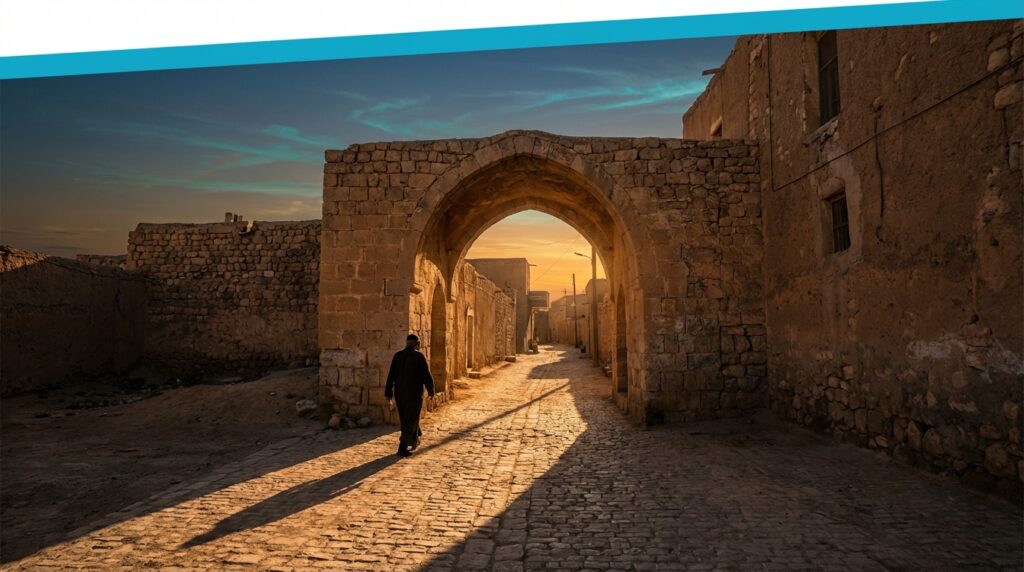
The story of a man who wrestled God and limped away blessed
The Deceiver Comes Home
Jacob’s story is one of striving from the very beginning. His name literally means “heel-grabber” or “supplanter”—he came out of the womb grasping his twin brother Esau’s heel, and he spent his life living up to that name. He manipulated his brother out of his birthright. He deceived his blind father to steal Esau’s blessing. He fled for his life and spent twenty years working for a man who was even more cunning than he was. Now, after building wealth and a family in exile, Jacob is finally returning home—and Esau is coming to meet him with four hundred men.
Fear grips Jacob. He divides his family and possessions into groups, hoping that if Esau attacks, at least some will survive. He sends wave after wave of gifts ahead, trying to appease his brother’s anger. He prays desperately for God’s protection. And then, the night before the confrontation, he sends everyone else across the Jabbok River—his wives, his children, his servants, everything he owns—and he stays behind alone.
Free Advent reading · December 1–25
25 Names of Christ
One name a day in your inbox: the verse it comes from, a short reflection, a one-line prayer. It ends on Christmas morning.
One email a day, December 1–25. Unsubscribe anytime.
The Wrestling Match That Changes Everything
In the darkness by the river, someone attacks Jacob. The text calls him “a man,” but as the encounter unfolds, it becomes clear this is no ordinary opponent. This is a physical manifestation of God Himself—what theologians call a theophany. All night long they wrestle. Jacob, who has spent his entire life grasping and striving, is now locked in combat with the Divine.
Think about the strangeness of this moment. God could have simply spoken to Jacob. He could have appeared in a vision or a dream as He had before. Instead, He meets Jacob in the way Jacob understands best—through struggle, through physical exertion, through a contest of wills. God enters into Jacob’s world of wrestling and striving, but He does so to transform it.
The location is significant: the Jabbok River. In Hebrew, “Jabbok” (Yabbok) sounds similar to “Jacob” (Ya’akov) and also to the word for “wrestle” (ye’abeq). This is Hebrew wordplay at its finest—Jacob wrestles at the Jabbok, and in the process, everything about him is turned upside down. The place name itself echoes the transformation happening there.
When dawn approaches and the stranger asks to be released, Jacob refuses. Here’s the remarkable thing: Jacob has been wounded—his hip is dislocated—yet he clings to his opponent with a new kind of strength. Not the strength of manipulation or clever schemes, but the desperate strength of someone who finally understands that blessing doesn’t come through taking, but through surrender.
Notice what happens here. The stranger asks Jacob his name. To speak your own name in ancient Near Eastern culture, especially a name that means “deceiver,” is to confess your true identity—all of it, the good and the shameful. Jacob has to own who he’s been. Only then can he receive who he will become.
What It Means to Be Given a New Name
The stranger gives Jacob a new name: Israel, which means “he struggles with God” or “God strives.” Some translations say “because you have struggled with God and with humans and have overcome,” but the Hebrew is actually ambiguous—it could mean Jacob prevailed, or it could mean he survived, or it could mean God prevailed through him. Perhaps all three are true.
This is not a name that erases the past. Israel will still walk with a limp for the rest of his life. The new name doesn’t mean the struggle is over—it means the struggle has been redefined. Jacob’s identity is no longer rooted in his schemes and deceptions. Now he is the man who met God face to face and lived. He is the one who wouldn’t let go until he received blessing, not through trickery, but through honest, desperate dependence.
The sun rises as Jacob crosses the river—a new day for a new man. But he limps. The blessing comes with a wound. The transformation comes with a mark that will forever remind him he cannot do life on his own terms anymore.
When God Meets Us in Our Striving
Here’s what Jacob’s story teaches us about our own wrestling with God: He doesn’t despise our struggle. He meets us in it. If you’re someone who has fought hard for everything you have, who has strived and pushed and made things happen through sheer force of will—God doesn’t condemn that. But He does want to transform it.
The Wound That Blesses
Jacob’s limp was a gift. It was a permanent reminder that he could no longer rely on his own strength, his own speed, his own ability to outmaneuver everyone around him. Sometimes God’s greatest blessings come wrapped in limitations that force us to depend on Him.
Wrestling Isn’t Rejection
Jacob’s wrestling match with God wasn’t a sign of God’s anger or distance—it was an encounter of profound intimacy. God will let you struggle with Him, question Him, even fight Him, because authentic relationship is more important to Him than easy obedience.
New Names, Same Story
God gave Jacob a new name, but the old name still appears throughout Scripture. The transformation is real, but it’s also a process. You don’t become a new person overnight—you become someone who is being made new, day by day, struggle by struggle.
Maybe you’re at your own Jabbok right now. Maybe you’ve run out of clever solutions. Maybe you’re facing something you can’t manipulate or control your way through. Maybe you’re realizing that all your striving has gotten you to a river you can’t cross alone. That’s not a dead end—it’s an invitation.
God wants to meet you there. Not to condemn your wrestling, but to enter into it with you. Not to erase your past, but to redefine your future. Not to leave you unchanged, but to bless you with a wound that will make you walk differently for the rest of your life.
The New Testament picks up this theme: transformation comes through struggle. Paul writes about glorying in sufferings not because pain is good in itself, but because God uses it to reshape us into people who hope in Him rather than in our own abilities.
Jacob limped away from Peniel with a new name and a new identity, but he still had to face Esau. The blessing didn’t remove the challenge—it changed how he approached it. And when the brothers finally met, Jacob bowed seven times before Esau. The man who once schemed to steal blessings now humbles himself completely. And in that humility, reconciliation becomes possible.
This is what happens when we let God rename us. We find the courage to face what we’ve been running from. We discover that His blessing is better than anything we could have taken for ourselves. We learn to walk with a limp that reminds us every day: we are held by Someone stronger than our fears, Someone who wrestled us into surrender so He could hold us in love.
Carry the Truth With You
Let God’s Word transform not just your heart, but your everyday life. At JT4Christ, we create faith-inspired apparel and products that help you wear your beliefs boldly and share hope with everyone you meet. Explore our collection and find pieces that remind you daily of the God who renames, redeems, and never lets go.
Shop NowFrom the shop
Scripture to wear and give, printed to order.
-
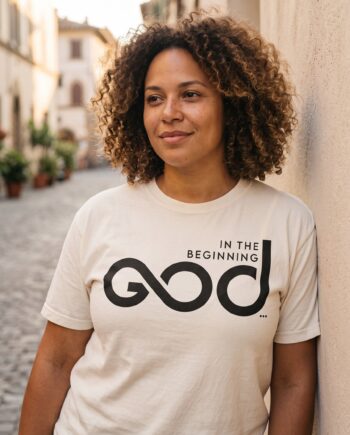
✝Genesis 1:1

Elohim | Genesis 1:1 Tee
Price range: $34.00 through $40.00 Select options This product has multiple variants. The options may be chosen on the product page -
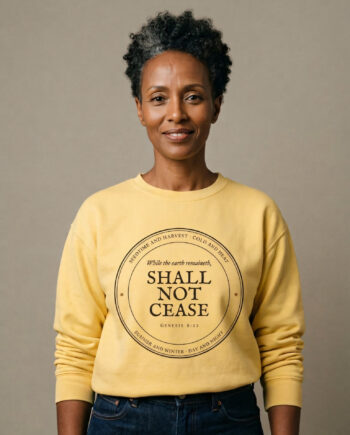
✝Genesis 8:22
Seedtime and Harvest Shall Not Cease | Genesis 8:22 Tee & Sweatshirt
Price range: $34.00 through $72.00 Select options This product has multiple variants. The options may be chosen on the product page -
✝Genesis 8:22
Seedtime and Harvest Shall Not Cease | Genesis 8:22 Print
Price range: $29.00 through $99.00 Select options This product has multiple variants. The options may be chosen on the product page

Keep reading
- Youth Group Shirt Ideas: Christian Tees Teens Will Actually WearChristian Living
- Christian Gifts for Dad: 8 Faith-Based Gifts He Will UseChristian Living
- Who You Are in Christ: Your Identity, and the Shirts That Say It Out LoudChristian Living
- Bible Verse T-Shirts: How to Wear Scripture That Actually Means SomethingBible Study
- The Voice That Speaks Over ExileFaith & Encouragement
- When God Asks Questions He Already Knows the Answer To: What Genesis 3 Reveals About Divine LoveBible Study
More in: Faith & Encouragement · All articles