The Night That Changed Everything

The night Jacob wrestled God and limped away with a blessing
The Night That Changed Everything
Genesis 32 finds Jacob in a crisis. After twenty years of exile, he’s finally heading home to face the brother he cheated — Esau, who once vowed to kill him. Jacob has spent two decades building wealth and a family in a foreign land, but he can’t shake the weight of his past. As his family camps for the night, Jacob sends them ahead and stays behind, alone in the darkness. It’s there, in that vulnerable solitude, that a mysterious figure appears and wrestles with him until dawn.
This wasn’t just a random encounter. This was God Himself, appearing in human form, engaging Jacob in a physical struggle that mirrored the spiritual wrestling Jacob had been doing his entire life. Jacob had always been a fighter — fighting for his father’s blessing, fighting for Rachel’s hand, fighting to build his flocks under Laban’s trickery. But this fight was different. This time, Jacob wasn’t fighting to take something. He was fighting to receive something only God could give.
Free Advent reading · December 1–25
25 Names of Christ
One name a day in your inbox: the verse it comes from, a short reflection, a one-line prayer. It ends on Christmas morning.
One email a day, December 1–25. Unsubscribe anytime.
What’s in a Name? Everything.
When the divine wrestler asks Jacob his name, it’s not because He doesn’t know it. God is forcing Jacob to confess who he really is. “Jacob” — the heel-grabber, the supplanter, the deceiver. Every time Jacob spoke his name, he was reminded of his identity as the one who tricked his brother and manipulated his father. His name was his shame, worn like a brand for all to see.
In ancient Hebrew culture, names carried profound significance — they weren’t just labels but declarations of character and destiny. Jacob’s name (Ya’akov) comes from the Hebrew word for “heel” (aqev) and implies someone who trips others up or takes their place by deception. When God renames him Israel (Yisra’el), it means “he struggles with God” or “God fights” — a name that honors Jacob’s perseverance and marks him as one chosen by God despite his flaws. This renaming echoes throughout Scripture: Abram became Abraham, Sarai became Sarah, Simon became Peter, Saul became Paul — each time signaling God’s transformative work.
But God doesn’t leave Jacob in his old identity. Instead, He declares: “Your name will no longer be Jacob, but Israel.” This new name means “he who struggles with God” or “God fights.” It’s a name that acknowledges the wrestling, the resistance, the honest struggle — but transforms it into something honorable. Jacob’s persistence, once used for manipulation, is now reframed as faithfulness. His refusal to let go becomes a testimony to his desperate need for God’s blessing.
Notice that Jacob doesn’t walk away unscathed. His hip is permanently damaged — he will limp for the rest of his life. The blessing comes with a wound. The new identity comes with a mark of humility. Jacob is transformed, but not in the way he might have chosen. He’s stronger in spirit but weaker in body, a living reminder that God’s strength is made perfect in our weakness.
The Identity Crisis We All Face
Jacob’s story is our story. We all carry names — maybe not literal ones, but internal ones. Failure. Reject. Not Enough. Too Much. The Mistake. The Disappointment. We wear these identities like ill-fitting clothes, convinced that our past defines our future. We try to prove ourselves, to earn a better name through achievement, performance, or reinvention. But no amount of striving can change the deep-down sense that we are still who we’ve always been.
This is where the gospel breaks through with transformative power. In Christ, God doesn’t just improve our old identity — He gives us an entirely new one. We are no longer defined by our worst moments or our greatest failures. We are called children of God, chosen, beloved, redeemed. This isn’t positive thinking or self-affirmation. This is divine declaration. God Himself speaks over us a new name, a new reality that supersedes everything we were before.
But here’s what we often miss: the transformation comes through wrestling, not avoidance. Jacob didn’t get his new name by running from his past or pretending everything was fine. He got it by facing God honestly, refusing to let go until he received what only God could give. Our new identity in Christ isn’t found by avoiding our brokenness but by bringing it to God and clinging to Him in the struggle.
Living Into Your New Name
So what does it mean to live as an “Israel” in a world that still wants to call you “Jacob”? It means anchoring your identity not in your performance but in God’s promise. It means accepting that the wrestling is part of the journey, that honest struggle with God is not a sign of weak faith but of deep faith. It means acknowledging your limp — the ways you’ve been broken and humbled — as evidence of an encounter with the living God.
Remember Whose You Are
Your identity is not based on what you do but on whose you are. You belong to God. He has called you by name. No failure, no sin, no shame can separate you from His love or revoke the new name He’s given you in Christ.
Embrace the Struggle
Don’t despise the wrestling seasons. God often does His deepest work in us when we’re alone, afraid, and clinging to Him desperately. The struggle isn’t a sign that you’re doing faith wrong — it’s often the place where faith becomes real.
Accept the Limp
You may carry marks from your encounter with God — weaknesses, humbling reminders that you’re not self-sufficient. These aren’t badges of shame but testimonies of grace. Your limp tells the story of the night God met you and changed you forever.
Jacob became Israel that night by the Jabbok River, but he didn’t stop being human. He still made mistakes. He still had fears. But he was never the same. He had been in the presence of God, received a new name, and carried the blessing forward — even with a limp. That’s the life God calls us to: not perfection, but transformation. Not flawless performance, but faithful perseverance. Not self-made identity, but God-given purpose.
The question isn’t whether you’ve wrestled with God. The question is: are you willing to keep holding on until He blesses you? Are you willing to confess your old name — all the shame and failure it represents — and receive the new one He offers? The sun will rise. You may walk away limping. But you’ll walk away blessed, bearing a name that changes everything.
Wear Your Faith Boldly
At JT4Christ, we create faith-inspired apparel that reminds you of your identity in Christ. Every piece is designed to encourage you and spark conversations about the God who calls you by name. Explore our collection and wear the truth that defines you.
Shop NowFrom the shop
Scripture to wear and give, printed to order.
-
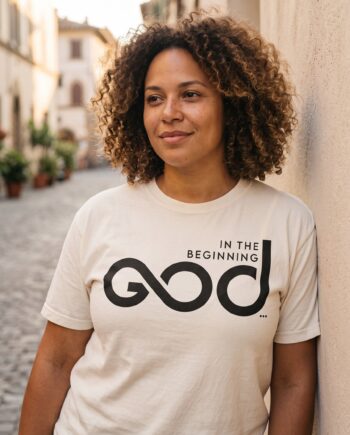
✝Genesis 1:1

Elohim | Genesis 1:1 Tee
Price range: $34.00 through $40.00 Select options This product has multiple variants. The options may be chosen on the product page -
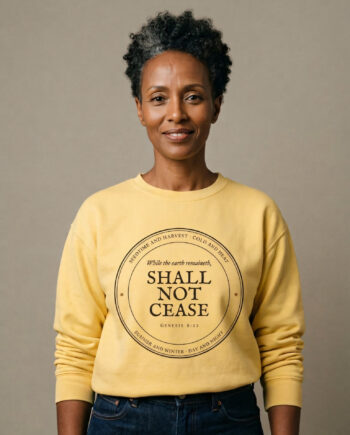
✝Genesis 8:22
Seedtime and Harvest Shall Not Cease | Genesis 8:22 Tee & Sweatshirt
Price range: $34.00 through $72.00 Select options This product has multiple variants. The options may be chosen on the product page -
✝Genesis 8:22
Seedtime and Harvest Shall Not Cease | Genesis 8:22 Print
Price range: $29.00 through $99.00 Select options This product has multiple variants. The options may be chosen on the product page

Keep reading
- Youth Group Shirt Ideas: Christian Tees Teens Will Actually WearChristian Living
- Christian Gifts for Dad: 8 Faith-Based Gifts He Will UseChristian Living
- Who You Are in Christ: Your Identity, and the Shirts That Say It Out LoudChristian Living
- Bible Verse T-Shirts: How to Wear Scripture That Actually Means SomethingBible Study
- When God Asked a Question He Already Knew: Adam, Shame, and the Heart of the GospelBible Study
- Walking By Faith When You Cannot See The Path: Abraham’s Journey To An Unknown Land (Genesis 12:1-9)Faith & Encouragement
More in: Faith & Encouragement · All articles